

Have you decided on Maine for your next family vacation and are looking for the perfect Acadia National Park itinerary?
Look no further, we have you covered!
Nestled along the rugged coast of Maine, Acadia is a playground for young explorers and a breath of fresh air for families looking to unplug and reconnect with nature. With easy hikes, scenic drives, sandy beaches, and endless opportunities to learn and play outdoors, Acadia offers something for every age.
Whether you’re traveling with toddlers, tweens, or a mix of both, this national park is packed with kid-friendly activities that make it a perfect destination for your next family getaway.

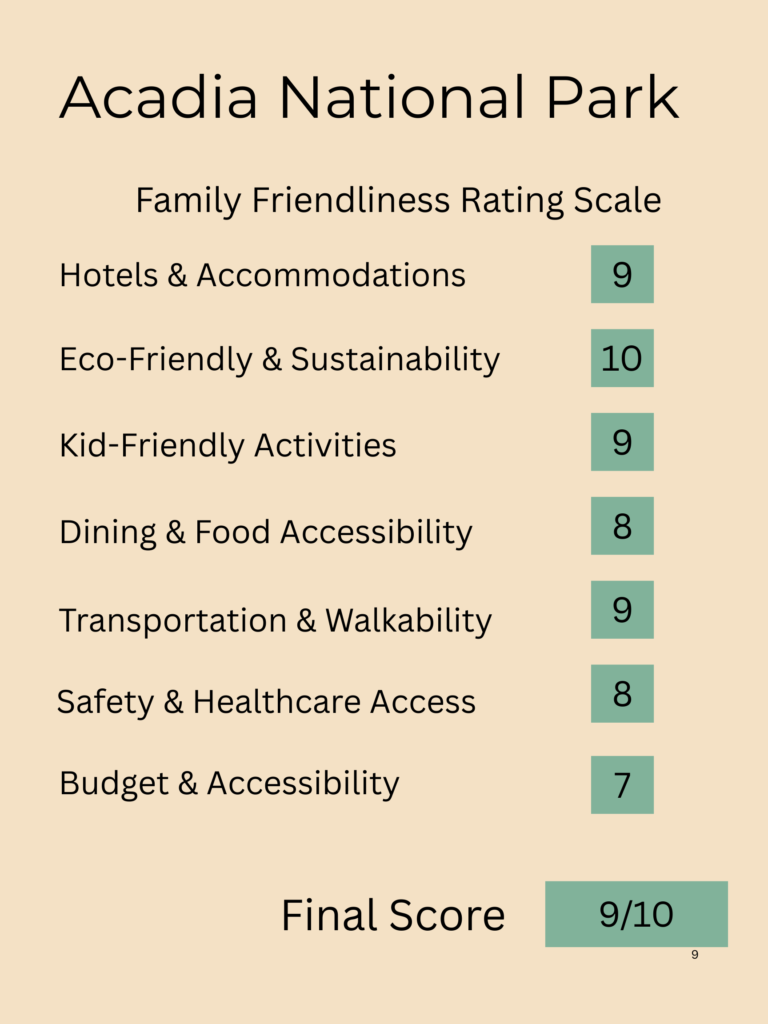
About Acadia National Park
Acadia National Park, located on Maine’s Mount Desert Island, is a stunning blend of rocky coastline, granite peaks, dense forests, and serene lakes. With over 3.5 million visitors a year, it is one of the most visited national parks in the United States. When exploring its natural beauty, its not hard to see why!
It was established in 1916 as Sieur de Monts National Monument and became the first national park east of the Mississippi—thanks in part to the efforts of philanthropist George B. Dorr, known as the “Father of Acadia.”
Today, the park spans over 49,000 acres, including parts of the Schoodic Peninsula and Isle au Haut. Acadia’s diverse geography offers dramatic ocean views from cliffs like those along Ocean Path, peaceful carriage roads for biking and walking, and the iconic Cadillac Mountain—the highest point on the U.S. Atlantic coast, famous for being the first place to see the sunrise in the country during parts of the year.
It’s mix of ecosystems also makes Acadia National Park a hub for wildlife watchers, with common sightings including white-tailed deer, the occasional black bear, harbor seals on coastal rocks, various bird species including falcons, bald eagles, and ospreys, and sea critters in tide pools.
Things to Know Before Visiting Acadia National Park
- The park can get very crowded, especially during the summer. Plan on arriving at the park early to find parking. Popular areas like Sand Beach, Jordan Pond, and many trail heads fill up quickly in the morning.
- Acadia National Park does offer a free Island Explorer shuttle. The shuttle connects many area hotels and campgrounds to the park and stops at many spots in the park, including trail heads. Using the shuttle is a good way to avoid trying to find parking in crowded parking lots.
- Check the tide chart for daily low and high tide times. Tide pooling is best one hour before low tide and Thunder Hole is best to visit two hours before high tide.
- Weather can be unpredictable in Maine, so pack for cold and warm weather. If you plan on getting out on the water, be sure to pack a jacket/hoodie as it can get very windy and chilly.
- Most of Park Loop Drive is a one way road. Keep this in mind when planning your Acadia National Park itinerary. You won’t be able to back track to some of the stops without going the full length of the loop.
- There is an entrance fee to get into the park. The America is Beautiful pass can also be used.
- As with most national parks, be prepared for spotty cell service. There are many areas in the park where you will have very slow or no cell service. Be prepared ahead of time with maps and knowing where you are going.
Acadia National Park Itinerary: Top Things to Include
Drive Park Loop Drive
Driving the Park Loop Road in Acadia National Park with kids is a perfect way to take in the park’s breathtaking landscapes while keeping the journey easy and flexible for families. It is also the perfect way to make sure you see all of the highlights in the park!
This scenic 27-mile loop winds through most of Acadia’s most iconic sights, including Sand Beach, Thunder Hole, and Cadillac Mountain (the highest peak on the East Coast), offering plenty of places to stop, explore, and take in the views. Kids will love hopping out of the car to feel the ocean spray at Thunder Hole or dipping their toes in the cool waters of Sand Beach.
There are short, family-friendly hikes just off the route, like the Ocean Path, which is relatively flat and offers beautiful coastal views. Make a stop at Jordan Pond for a stroll along the boardwalk trail and grab a snack or lunch at the Jordan Pond House (don’t miss the popovers!).
Before starting your drive, swing by the Hulls Cove Visitor Center to grab maps and get junior ranger booklets. You do need a vehicle pass for the drive (and getting into the park), so be sure to grab one from the visitor center before heading out for the drive.

Go For a Swim at Sand Beach
Easily accessible along Park Loop Drive, Sand Beach is a must on your Acadia National Park itinerary. Nestled between granite mountains and rocky shores, this small, picturesque beach is one of the few sandy spots in the park. If you can tolerate the cold water-hovering around 55°F even in summer—you can enjoy a nice swim on a hot day.
If you’re not up for the cold, simply relaxing in the sun while the kids build sandcastles will give you the chance to enjoy a peaceful afternoon.
The beach has convenient amenities, including restrooms, changing rooms, and nearby parking, making it an easy stop during a day of exploring the Park Loop Road. Lifeguards are typically on duty during peak summer months, adding peace of mind for families with young swimmers.
After some time in the water, visitors can enjoy a beach picnic or take a stroll along the Ocean Path Trail, which begins at Sand Beach and offers gorgeous coastal views without a strenuous hike.
Explore Jordan Pond
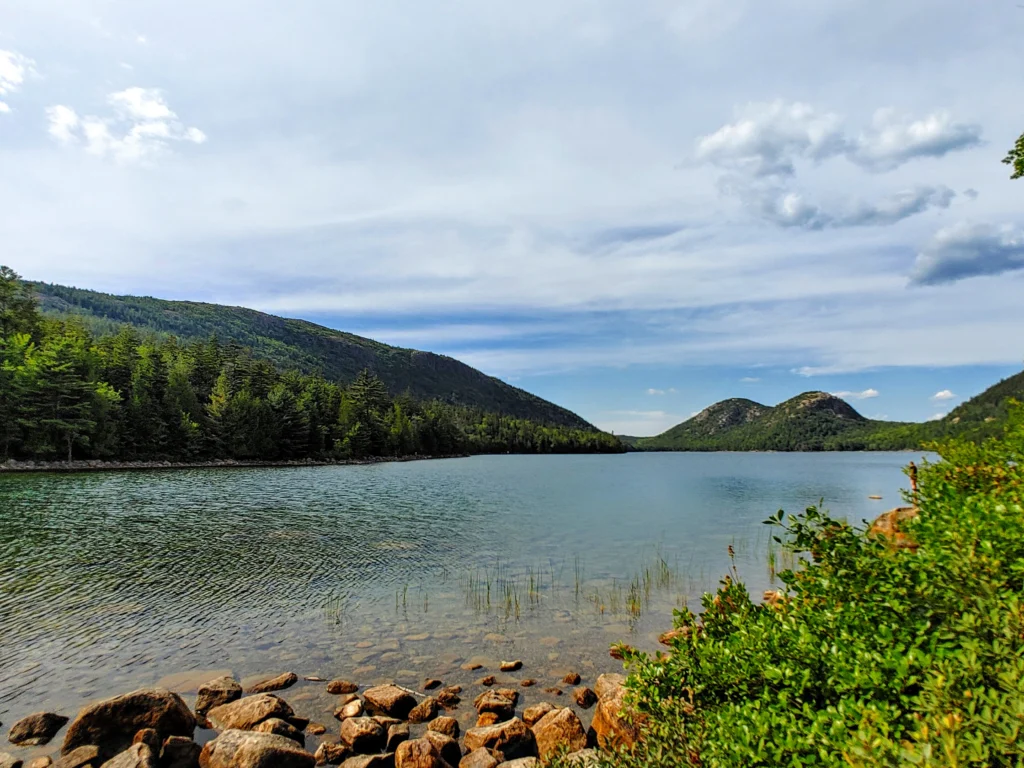
Exploring the Jordan Pond area is a peaceful and scenic experience that should be included on your Acadia National Park itinerary. Surrounded by lush forests and framed by the iconic North and South Bubble mountains, Jordan Pond is known for its crystal-clear waters and postcard-perfect views.
The Jordan Pond Path, a mostly flat 3.5-mile loop trail, circles the shoreline and is ideal for families with kids who enjoy a gentle walk. The trail features sections of boardwalk and packed dirt, making it accessible and fun for young explorers to spot frogs, birds, and even loons along the way.
After a walk or bike ride around the pond, a visit to the historic Jordan Pond House is a must. Known for its famous popovers and tea service, the restaurant offers outdoor seating with a spectacular view of the Bubbles—a great spot to relax and recharge.
The area also serves as a starting point for other nearby trails, such as the Bubble Rock Trail, for those looking to add a bit of climbing and adventure.
Go For A Hike
You can’t visit the park and not have a hike on your Acadia National Park itinerary! I mean, you can. But we definitely don’t recommend it!
Hiking is one of the best ways to experience the park’s stunning natural beauty, with over 150 miles of trails winding through mountains, forests, and along the rugged coast. The park offers hikes for every age and skill level, from easy walks to challenging climbs.
Families with young children can enjoy gentle, scenic paths like the Wonderland Trail or Ship Harbor Trail, both of which offer ocean views and opportunities to explore tide pools. For those looking for a bit more adventure, the Gorham Mountain Trail provides manageable elevation gain and sweeping views of the Atlantic Ocean, making it a rewarding experience without being too difficult.
More experienced hikers may want to tackle one of Acadia’s famous ladder trails, such as the Beehive or Precipice Trail, which include iron rungs and steep climbs along exposed cliffs—best suited for older kids, teens, or adults with a head for heights.
The trail system is well-marked, and many hikes begin right off the Park Loop Road, making them easy to access during your visit. Whether you’re seeking a peaceful forest stroll or an exhilarating mountain ascent, hiking in Acadia offers an unforgettable adventure for outdoor lovers of all ages.
Some of the best trails in the park include:
- Bubble Rock:
- A short but rewarding hike that leads to one of the park’s most iconic sights—a giant glacial boulder perched on the edge of South Bubble Mountain. The trail is about 1.5 miles round trip and offers moderate elevation gain. At the summit, hikers are treated to stunning views of Jordan Pond and the surrounding landscape.
- Ocean Path:
- A scenic, family-friendly trail that runs 4.4 miles round trip along the rugged coastline between Sand Beach and Otter Point. This mostly flat trail offers spectacular views of the Atlantic Ocean, dramatic cliffs, and iconic stops like Thunder Hole. With plenty of places to stop, rest, and explore tide pools or watch for seabirds, it’s an ideal hike for all ages.
- Wonderland Trail:
- A gentle, family-friendly hike located on the “quiet side” of Mount Desert Island near Bass Harbor. This 1.4-mile round-trip trail follows an old gravel fire road through a spruce forest, leading to a rocky shoreline with expansive ocean views. At the coast, visitors can enjoy tidepooling during low tide.
- Ship Harbor Trail:
- A 1.3-mile figure-eight loop trail located on the southwestern side of Mount Desert Island, near Bass Harbor. The trail takes you through a spruce forest and leads to a rocky coastline, offering scenic views of the Atlantic Ocean and opportunities for tidepool exploration during low tide.
- The Great Head Trail:
- A moderately challenging 1.7-mile loop (but can be shortened to 1.3 miles) that offers hikers a combination of forested paths, rocky terrain, and stunning coastal views. Beginning near Sand Beach, the trail ascends to the summit of Great Head, standing at 145 feet above sea level and providing views of the Atlantic Ocean, Sand Beach, and the surrounding mountains. The trail has some steep sections and uneven footing, making sturdy footwear advisable and extra caution with young children.
Take a Puffin and Lighthouse Cruise
A puffin and lighthouse cruise from Bar Harbor offers an unforgettable way to experience the coastal charm of Maine and the natural beauty surrounding Acadia National Park. It is also a great way to get a unique perspective of the park-from the water.
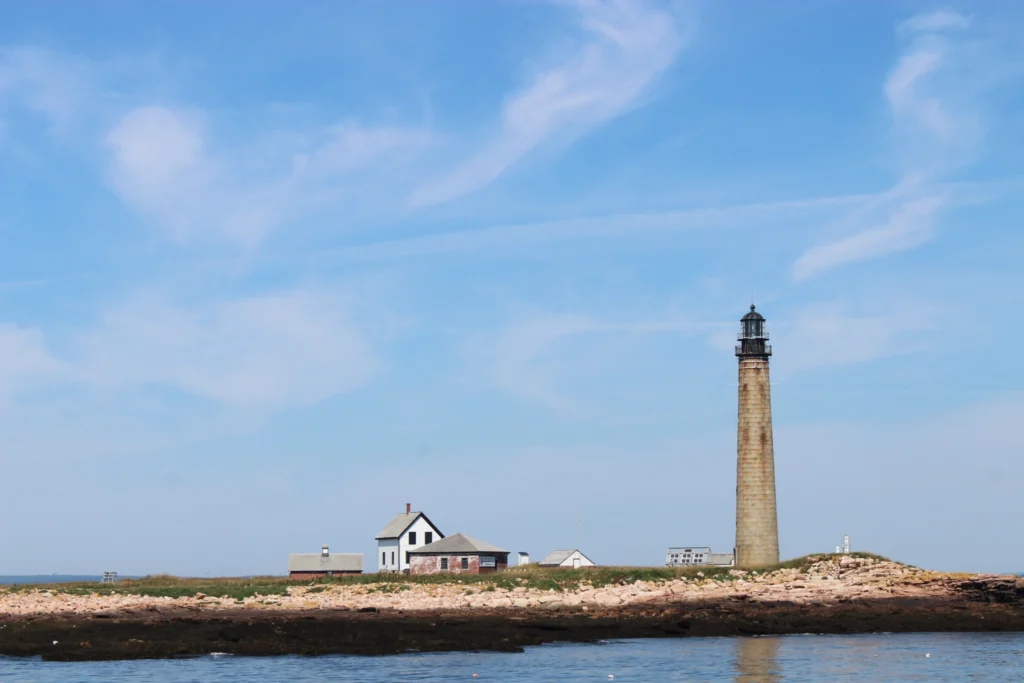
These tours, typically lasting between 2.5 to 3.5 hours, take you through Frenchman Bay and the Gulf of Maine, providing opportunities to view iconic lighthouses like Petit Manan—the second tallest in Maine—and observe Atlantic puffins in their natural habitat. Lighthouses are always a favorite for us and this tour takes you to three different lighthouses, so it was a no-brainer for us! Top stops on the tour include:
- Egg Rock: The Egg Rock Lighthouse, sea fowl, and plenty of sunbathing seals!
- Petit Manan: The Petit Manan lighthouse, sea fowl, and the Atlantic Puffins
- Schoodic Island: Bald Eagles
- Schoodic Peninsula: Great views of the Acadia shoreline
- Winter Harbor Lighthouse
Along the way, knowledgeable naturalists share insights about the region’s wildlife and history, enhancing the experience as you spot seabirds, seals, and perhaps even harbor porpoises.
These cruises are seasonal, operating primarily from mid-May through mid-August, aligning with the puffins’ nesting period.
Go On a Whale Watch
Another option for seeing Bar Harbor and Acadia National Park by water while seeing some of the area’s wildlife is a whale watch.
From late spring through early fall, Bar Harbor serves as a hub for whale watching tours that venture into the Gulf of Maine, one of the most productive feeding grounds in the North Atlantic. These tours often last between 3 to 5 hours and are led by expert naturalists who help spot and identify marine life such as humpback whales, finbacks, minkes, and occasionally the elusive North Atlantic right whale. Along the way, guests may also see porpoises, seals, puffins, and a variety of seabirds.
The cruises typically depart from the Bar Harbor waterfront aboard high-speed catamarans. Most boats have indoor seating, snack bars, and spacious decks for photography and sightseeing.
Go Tide Pooling
A must do activity on your Acadia National Park itinerary with kids, tide pooling in is a captivating way to explore the park’s unique coastal ecosystems, offering a chance to get up close with marine life during low tide.
Popular locations for tide pooling include Bar Island, Wonderland, Ship Harbor, and the Schoodic Peninsula. When the tide recedes, the exposed pools reveal a wealth of creatures such as crabs, starfish, sea anemones, mussels, and colorful marine algae. The best time for tide pooling is an hour and a half before and after low tide.
Many of the park’s visitors centers, such as the Hulls Cove Visitor Center, offer tide pool guides and tide charts, so you can plan your visit around the lowest tides for the best experiences. You can also check online for that information when planning your trip.
When tide pooling, be sure to follow the leave no trace policies, be respectful of wildlife, and always return wildlife to where you found it. Watch where you are placing your feet, and be sure you have sturdy shoes on. Be cautious of slippery rocks and surfaces.
Go Stargazing
Stargazing in Acadia National Park is a magical experience, offering some of the clearest and darkest skies on the East Coast. Thanks to minimal light pollution, especially in areas like the Schoodic Peninsula, Cadillac Mountain, and Jordan Pond, visitors can witness a breathtaking canopy of stars, constellations, and even the Milky Way stretching across the night sky.
The park is a designated Dark Sky Destination, and rangers and volunteers often host night sky programs in the summer and early fall, including constellation tours and telescope viewing. September is an especially great time to visit if you’re interested in stargazing, as Acadia hosts the Acadia Night Sky Festival—a celebration of science, art, and the wonder of the cosmos.
For the best experience, bring a flashlight with a red filter (to preserve your night vision), a blanket or chair, and dress warmly, as temperatures can drop quickly after sunset.
Bicycling
Biking in Acadia National Park is a fantastic way to explore its diverse landscapes, from the stunning coastline to the park’s lush forests and towering mountains. The park offers over 45 miles of carriage roads—wide, crushed stone paths that are perfect for cyclists of all skill levels, including families with young kids.
These carriage roads wind through some of the park’s most scenic areas, including Jordan Pond, Eagle Lake, and the foot of Cadillac Mountain, offering breathtaking views along the way. For those looking for a more challenging ride, there are also several paved roads and trails that offer steeper climbs and more technical terrain.
Participate in the Junior Ranger Program
The Junior Ranger Program in Acadia National Park is an engaging and educational way for kids to learn about the park’s natural and cultural resources while having fun exploring its diverse landscapes. Designed for children ages 5-12, the program encourages young visitors to become environmental stewards by completing a series of activities related to the park’s wildlife, geology, history, and conservation efforts.
Pick up a Junior Ranger booklet at the visitor center, which includes activities like identifying local animals, learning about the park’s ecosystems, and participating in hands-on projects. Once they complete the activities, they can bring their booklet to a park ranger at the Hulls Cove Visitor Center to earn their Junior Ranger badge.
Echo Lake Beach
Echo Lake Beach is a freshwater beach on the southern shore of Echo Lake, just off Route 102 on the Western side of Mount Desert Island. Unlike the chilly Atlantic waters at Sand Beach, Echo Lake offers warmer swimming conditions, with average summer temperatures reaching up to 73°F (23°C) in August.
Facilities include restrooms, changing rooms, and picnic tables, making it an ideal spot for families seeking a relaxing day by the waterThe surrounding area offers additional recreational opportunities, such as kayaking and hiking. The Beech Mountain Trail, accessible from the parking area, provides a moderately challenging hike with panoramic views of the lake and the surrounding landscape.
Echo Lake Beach is closer to the Ship Harbor Trail and Wonderland Trail than park loop drive, so combining these trails with a trip to the beach is a great way to spend a day on your Acadia National Park itinerary.
Thunder Hole
Thunder Hole is one of Acadia National Park’s most iconic and dramatic natural features, and it should absolutely be included on your Acadia National Park Itinerary.
Located along the Park Loop Road, this unique rock formation creates a spectacular show when the tide is just right. The phenomenon occurs when waves crash into a narrow inlet, causing the water to surge and create a thunderous sound as it forces air through the rocky opening.
The best time to experience Thunder Hole is typically within two hours before or after high tide, especially when the surf is rough.
The area around Thunder Hole is accessible via a paved path and viewing platform, making it easy for visitors of all ages to experience this natural spectacle. There are also interpretive signs along the way that explain the geological forces behind the phenomenon, adding an educational element to the experience.

Bass Harbor Head Lighthouse
The Bass Harbor Head Lighthouse, perched on a rugged cliff at the southwestern tip of Mount Desert Island, is one of Maine’s most iconic and photographed lighthouses. Constructed in 1858, this cylindrical brick tower stands 56 feet above mean high water and marks the entrance to Bass Harbor and Blue Hill Bay.
The lighthouse was added to the National Register of Historic Places in 1988, recognizing its architectural and historical significance.
Visitors can access the lighthouse via a short, paved path leading from the parking area. While the keeper’s house remains a private residence for Coast Guard personnel, the surrounding area offers stunning views of the lighthouse against the backdrop of the Atlantic Ocean.
The site is open daily from 9:00 AM to sunset, with free parking available. For those interested in a more immersive experience, the nearby Bass Harbor Head Light Trail provides a 0.4-mile out-and-back hike offering additional perspectives of the lighthouse and its coastal surroundings.
Schoodic Pennisula
Visiting the Schoodic Peninsula offers a more tranquil and less crowded alternative to the main section of Acadia National Park. Located to the East of Mount Desert Island, Schoodic Peninsula is accessible by a scenic drive that winds along the coast, offering stunning views of the Atlantic Ocean and nearby islands.
This area of the park features dramatic granite shorelines, sweeping views of Frenchman Bay, and opportunities to spot wildlife such as seals, porpoises, and a variety of seabirds. The Schoodic Scenic Byway is a highlight, taking visitors along the coast with several pull-offs for photo opportunities and short walks to explore the rocky shorelines.
Schoodic Peninsula is also home to several hiking trails, including the Schoodic Head Trail, which offers panoramic views of the surrounding area from its summit.
For those looking to enjoy the beauty of the coastline, the Schoodic Loop Road is a 6-mile route that takes visitors through the peninsula, passing by secluded coves, dense forests, and rocky beaches. The area is perfect for cycling, with fewer crowds compared to the popular carriage roads on Mount Desert Island.
Schoodic Point
Schoodic Point, located at the tip of the Schoodic Peninsula in Acadia National Park, offers a serene and rugged coastal experience. Accessible via a one-way loop road, Schoodic Point provides ample parking and facilities, making it a convenient destination for visitors seeking to enjoy the natural beauty of the Maine coast.
The area is renowned for its dramatic granite headlands, where visitors can witness the power of the Atlantic Ocean as waves crash against the rocky shore. The surrounding landscape features thick forests and offers opportunities for hiking, picnicking, and wildlife viewing. Schoodic Point is also a prime location for sunset photography, with its westward-facing cliffs providing stunning views as the sun sets over the water.
Go Camping
Camping in Acadia National Park is a fantastic way to immerse yourself in the park’s rugged coastal beauty, starry skies, and natural serenity. The park offers several well-maintained campgrounds, including Blackwoods, Seawall, and Schoodic Woods, each offering a slightly different experience.
Blackwoods Campground is the most popular and is located just five miles from Bar Harbor, making it a convenient base for exploring Park Loop Road and Cadillac Mountain. Seawall, on the quieter western side of Mount Desert Island, provides a more peaceful, less crowded experience with ocean breezes and stunning sunsets nearby.
Schoodic Woods, located on the Schoodic Peninsula, offers a remote and scenic option with access to less-trafficked trails and coastal views. There are also five lean-to shelters on Isle au Haut for a more primitive camping experience.
Campsites can accommodate tents, RVs, and campervans, though hookups are limited and reservations are highly recommended—especially during the peak summer and fall foliage seasons. Facilities include restrooms, picnic tables, fire rings, and nearby access to trails and park features.
Campers can enjoy ranger-led evening programs (campfire talks), early morning hikes, and even tide pooling adventures without having to leave the campground vicinity. With quiet hours in effect and pet-friendly policies in place (with a leash!), Acadia’s campgrounds make for an ideal family-friendly getaway or a peaceful solo escape.
Just remember to practice Leave No Trace principles to help preserve this incredible place for future adventurers!
Visit Bar Harbor
Bar Harbor, situated on Mount Desert Island along Maine’s rugged coastline, serves as the gateway to Acadia National Park and offers a blend of natural beauty, rich history, and vibrant local culture. The town’s charming downtown area features a variety of shops, art galleries, and restaurants, providing visitors with a quintessential New England experience.
Strolling along the historic Shore Path, which traces the edge of Frenchman Bay, offers scenic views of the harbor and nearby islands. Bar Harbor’s proximity to Acadia National Park makes it an ideal base for exploring the park’s trails, carriage roads, and scenic vistas.
Beyond its natural attractions, Bar Harbor boasts a lively culinary scene, with restaurants serving fresh seafood, including the region’s renowned lobster dishes. Visitors can also enjoy various outdoor activities such as whale watching, kayaking, and guided nature tours that showcase the area’s diverse wildlife and coastal landscapes.
Drive to the Top of Cadillac Mountain
Driving to the summit of Cadillac Mountain should without a doubt be on your Acadia National Park itinerary. The 3.5-mile Cadillac Summit Road, accessible from Park Loop Road, winds its way to the 1,530-foot peak—the highest point along the North Atlantic seaboard.
Along the ascent, several scenic pullouts provide opportunities to appreciate the park’s diverse terrain. At the summit, visitors will find two parking areas, restrooms, a gift shop, and paved paths leading to various overlooks, each offering unique perspectives of the park’s natural beauty.
To manage traffic and preserve the experience, a vehicle reservation is required to drive up Cadillac Summit Road from mid-May through mid-October. These reservations are available through Recreation.gov. They are not sold at the park. The reservation provides a timed entry, but visitors may stay at the summit until the road closes at 9 pm. It’s important to note that RVs and trailers are not allowed on the road.

Spend a Day at Isle au Haut
Visiting Isle au Haut, a remote section of Acadia National Park, offers a peaceful escape from the busier areas on Mount Desert Island. Accessible only by ferry from Stonington, this island rewards adventurous families with rugged coastal beauty, quiet hiking trails, and a taste of traditional Maine island life. Reservations are not available, the ferry is operated on a first come, first serve basis.
There are two stops on the island. Isle au Haut town is the first stop, after a 45 minute ferry ride. The second stop is Duck Harbor, only accessible from mid-June to September, stops at the portion of Acadia National Park on the island. It is an additional 30 minutes after the stop at Isle Au Haut town.
Duck Harbor is a great base for hiking, with access to scenic loops like Cliff Trail and Western Head Trail, both offering breathtaking views. Isle au Haut is the right stop if you plan on biking or kayaking around the island.
Services are limited, so visitors should bring food, water, and essentials for the day. For families with older children or those looking to unplug and immerse themselves in nature, Isle au Haut provides a one-of-a-kind, off-the-beaten-path Acadia adventure.
Nature Center at Sieur de Monts
The Sieur de Monts Nature Center is a gateway to Acadia’s natural wonders, offering an educational and engaging experience for visitors of all ages. Located just two miles south of Bar Harbor along the Park Loop Road, this center provides insights into the park’s diverse ecosystems through interactive exhibits and informative displays.
Visitors can learn about the flora and fauna of Acadia, the impact of invasive species, and the role of fire in the park’s ecology. The center also serves as a starting point for various hiking trails, making it an ideal spot to begin your exploration of the park.
Adjacent to the Nature Center is the Wild Gardens of Acadia, which showcases over 300 native plant species in habitats that replicate the park’s diverse environments. This area is particularly stroller-friendly, making it suitable for families with young children.
Additionally, the nearby Sieur de Monts Spring and the historic Abbe Museum offer further opportunities to delve into the cultural and natural history of the region.
The Nature Center is typically open from late May through mid-October, with varying hours depending on the season. Visitors are encouraged to check the current operating hours before planning their visit.
Tidal Falls Preserve
While not located inside of Acadia National Park, theTidal Falls Preserve is an excellent add on for nature lovers, especially if visiting the Schoodic Peninsula. It is located in Hancock, Maine, on the drive from Mount Desert Island to the peninsula along the Schoodic National Scenic Byway.
Managed by the Frenchman Bay Conservancy, this 8-acre preserve overlooks the Taunton River’s reversing falls—a unique tidal phenomenon where the water’s flow visibly changes direction with the tides. The best time to witness this spectacle is within two hours before or after low tide, when the rushing currents are most dramatic.
An observation deck and picnic areas provide comfortable spots to relax and take in the views, while the surrounding waters are rich with wildlife, including seals, osprey, eagles, and herons. Beyond the falls, visitors can explore a short, easy loop trail and enjoy tidepooling along the rocky shoreline.
During low tide, vibrant sea stars and other marine life are often visible clinging to the rocks. It’s important to observe these creatures without touching them, as human interaction can harm their health. The preserve also features restrooms and an exploration center, making it a convenient and educational stop.
Downloadable 1, 3, and 5 Day Acadia National Park Itinerary
1 Day Itinerary: Quick Highlights (And some light hiking)
Morning:
- Park Loop Drive
- Sand Beach
- Ocean Path
- Thunder Hole
Lunch
- Jordan Pond House Restaurant
Afternoon
- Explore the Jordan Pond Area. Walk part or all of the Jordan Pond Path.
- Cadillac Mountain: Drive to the summit, leaving time for the pull off areas. (Reservations are required from mid-May to October).
3-Day Acadia National Park Itinerary
Day One:
- Sand Point Beach: Hike the entire Ocean Path Trail from Sand Beach to the Otter Cliffs. Relax on the beach or go for a swim.
- Thunder Hole (Schedule your visit around high tide).
- Lunch: Picnic at Thunder Hole or Otter Cliffs.
- Explore Jordan Pond area: Hike the Jordan Pond Path.
- Have dinner in Bar Harbor and walk along the shore path.
Day Two:
- Visit Echo Lake Beach
- Go Tidepooling at Wonderland or Ship Harbor (Schedule around high tide).
- Hike the Wonderland and/or Ship Harbor Trails.
- Catch the sunset at Bass Harbor Head Lighthouse.
Day Three:
- Visit the Nature Center at Sieur de Monts & Wild Gardens of Acadia
- Bubble Rock Hike
- Go for a carriage road bike ride in the afternoon.
- Cadillac Mountain: Drive to the summit of Cadillac Mountain, stopping at the pull offs (this could also be done in the morning to catch the sunrise).
5-Day Itinerary
Day One:
- Sand Point Beach: Hike the entire Ocean Path Trail from Sand Beach to the Otter Cliffs. Relax on the beach or go for a swim.
- Thunder Hole (Schedule your visit around high tide).
- Lunch: Picnic at Thunder Hole or Otter Cliffs.
- Explore Jordan Pond area: Hike the Jordan Pond Path.
- Have dinner in Bar Harbor and walk along the shore path.
Day Two:
- Visit Echo Lake Beach
- Go Tidepooling at Wonderland or Ship Harbor (Schedule around high tide).
- Hike the Wonderland and/or Ship Harbor Trails.
- Catch the sunset at Bass Harbor Head Lighthouse.
Day Three:
- Visit the Nature Center at Sieur de Monts & Wild Gardens of Acadia
- Bubble Rock Hike
- Go for a carriage road bike ride in the afternoon.
- Cadillac Mountain: Drive to the summit of Cadillac Mountain, stopping at the pull offs (this could also be done in the morning to catch the sunrise).
Day Four: Schoodic Peninsula Day Trip
(The drive from Bar Harbor to the Schoodic Peninsula is about an HR. and 15 minutes)
- Take the scenic drive to Schoodic Peninsula
- Stop at Schoodic Point to watch crashing waves
- Short hike on Alder Trail or Schoodic Head Trail
- Stop by Tidal Falls Preserve on your way back
Day Five: Get Out on the Water
- Lighthouse and Puffin Cruise or Whale Watch from Bar Harbor in the morning.
- Go for a hike: Choose another family friendly hike off of Park Loop Drive
- Shopping, Dinner, and Ice Cream in Bar Harbor
Frequently Asked Questions
How Many Days Do You Need at Acadia National Park?
Any amount of time at Acadia National Park is great! In one day, you can see many of the highlights. To really experience all the park has to offer, we recommend 3-5 days (more time to spend hiking and exploring the trails and getting out on the water to experience the areas’s wildlife.)
When Should You Visit Acadia National Park?
When you visit Acadia should depend on what you want to do. For the warmest weather, visit in the summer. This is also when the most areas of the park will be open. For the unparalleled fall foliage visit in the fall. The spring time will bring milder weather, blooming wildflowers and less crowds. However, some areas of the park may be closed.
Are pets allowed in Acadia National Park?
Yes, dogs are allowed in some areas of the park. They must be on a 6 foot leash at all times. Pets are not allowed on Sand Beach, Echo Lake Beach, the Isle au Haut campground, the ladder trails, and inside buildings. They are allowed on most hiking trails, carriage roads, and the Blackwoods, Seawall, and Schoodic Woods campgrounds.
How do I avoid parking problems?
Arrive early, use the shuttle, or visit late in the day. Popular spots fill up by mid-morning, especially in the summer. The shuttle makes frequent stops at crowded lots.
Do I need a pass to enter Acadia?
Yes, you need a national park pass. Buy one online, at the entrance, or in Bar Harbor before heading into the park. You can also use the America is Beautiful pass.
Do I need to reserve timed entry or parking anywhere?
Cadillac Mountain requires a timed vehicle reservation from late May through mid-October. Parking fills up early at Sand Beach and Jordan Pond, so plan to arrive early or later in the day.
