

Hiking with kids is one of the best ways to explore the outdoors, build confidence, and create lasting family memories. But while most parents think about things like snacks, water, and proper footwear, plant safety rules for kids while hiking are often overlooked.
Many plants found along North American trails can cause irritation, allergic reactions, or even illness—especially for curious kids who love to touch, pick, and explore everything around them. The good news is that with a few simple guidelines, you can help your children stay safe without taking away any of the fun.
***The information provided in this article is for educational and informational purposes only and is not intended as medical advice. While we strive to share accurate and helpful safety tips for hiking with kids, this content should not be used as a substitute for professional medical guidance, diagnosis, or treatment.***
***The Navigating Mom (and this post) may contain affiliate links. If you purchase from one of these links, we may receive a small commission at no additional cost to you.****
Why Plant Safety Rules For Kids Are Important
Before heading out for a day of hiking or exploring the nation’s many national parks, it is important to teach plant safety rules for kids to prevent them from coming into contact with poisonous or stinging plants.
Children, with their curious nature, are especially susceptible to this because they tend to want to touch everything, pick flowers and plants, and want to taste anything that looks edible (or maybe not so edible!).
Children’s safety awareness is not always spot on either, especially in younger children. Teaching your children a few simple plant safety rules can help protect them and you on the trails, and allow you to continue making priceless family memories!
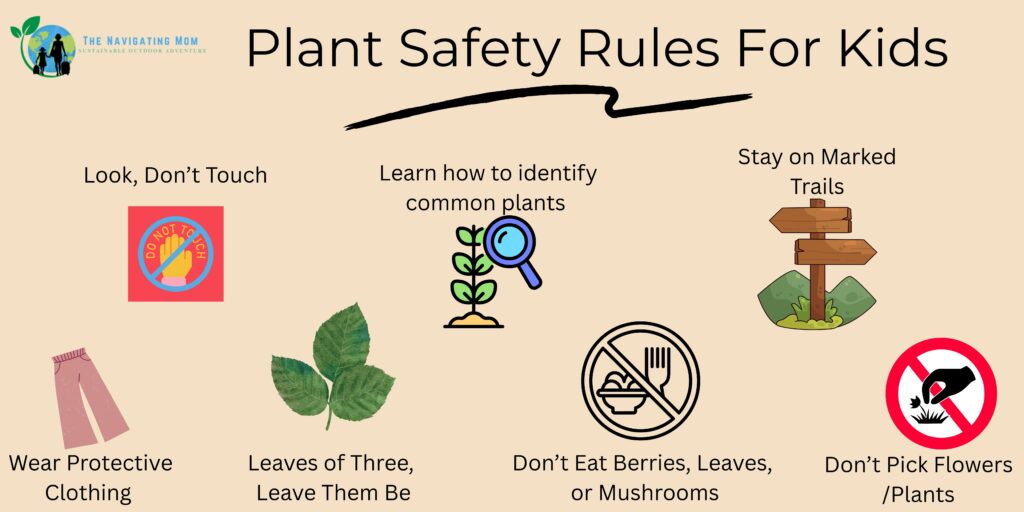
Plant Safety Rules For Kids
Teach Them The “Look, Don’t Touch” Rule
The “look, don’t touch” rule is one of the simple but powerful plant safety rules for kids. Many plants can cause irritation, allergic reactions, or even burns just from skin contact, and it’s not always obvious which ones are harmful. Teaching children to admire plants with their eyes instead of their hands helps create safe habits, especially when they’re surrounded by unfamiliar vegetation.
“Leaves of Three, Leave Them Be”
The saying “Leaves of three, leave them be” is one of the easiest and most effective ways to teach kids how to avoid plants like poison ivy and poison oak. These plants typically grow in clusters of three leaflets, which makes them easier to recognize once you know what to look for.
While their color and shape can vary depending on the season and location, the “group of three” pattern is a consistent clue that helps kids quickly identify a plant they should not touch. Simple rhymes like this are especially helpful for younger children because they’re easy to remember and repeat on the trail.
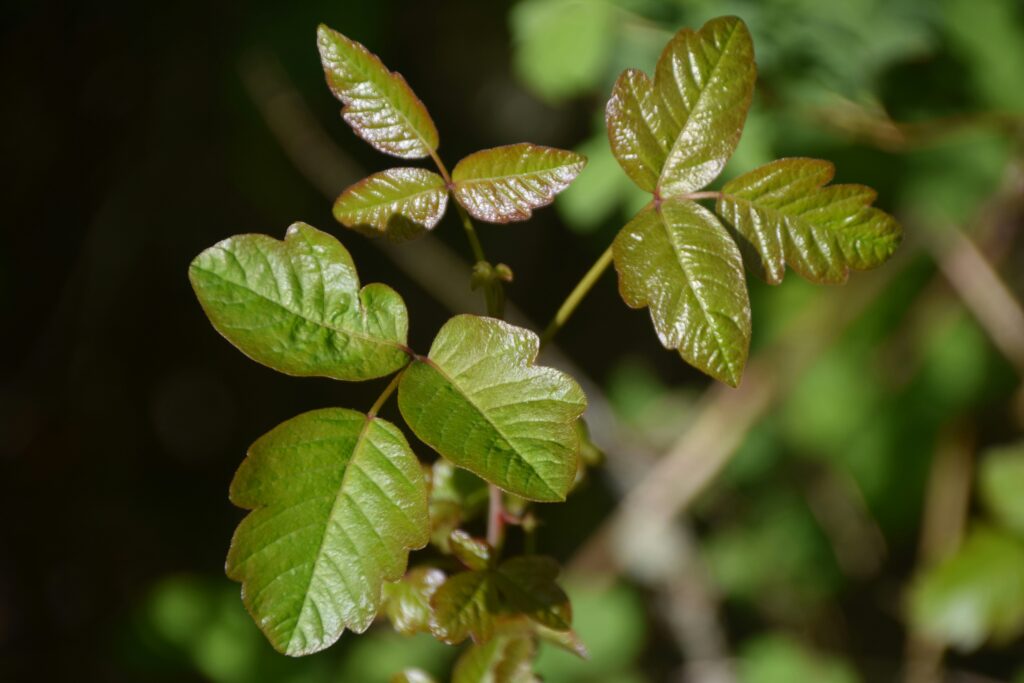
Teach Your Kids How To Identify Common Threats
Teaching kids how to identify common poisonous and stinging plants is one of the important plant safety rules for kids. Start with a few easy-to-recognize plants, like poison ivy with its “leaves of three” pattern or stinging nettles with their jagged edges and fine hairs.
Keeping it simple helps kids remember what to look for without feeling overwhelmed. You don’t need to turn them into experts—just giving them a few key visual clues can go a long way in helping them avoid contact.
Making plant identification interactive can also help it stick. Turn it into a game by asking kids to “spot the unsafe plant” while hiking, or quiz them on what to avoid when you see similar-looking vegetation.
You can also use photos before your trip so they know what to expect. Over time, they’ll naturally become more observant and better at recognizing plants to avoid, making your outdoor adventures safer and more enjoyable.
Plant Safety Rules For Kids: Never Eat Leaves, Berries, or Mushrooms
Teaching kids not to eat berries, leaves, or mushrooms while hiking is one of the most important plant safety rules for kids you can set. Many plants in North America may look harmless—or even identical to edible varieties—but can be toxic if ingested.
Brightly colored berries, for example, often attract children’s attention, yet some can cause anything from mild stomach upset to serious illness. The same goes for leaves and mushrooms, which can be especially tricky because even experienced foragers sometimes misidentify them. For kids, the safest and simplest rule is clear: if it didn’t come from home, don’t eat it.
Always Stay On Marked Trails
Staying on marked trails can prevent unwanted contact with poisonous or stinging plants. Trail systems are carefully designed and maintained to keep hikers away from dense vegetation where plants like poison ivy, stinging nettles, or thorny brush are more likely to grow.
For families, this rule is also easy to reinforce and turn into a habit: “feet stay on the trail.” Marked paths are typically cleared, well-traveled, and safer overall—not just for plant exposure, but also for avoiding uneven terrain, insects, and hidden hazards. Over time, this simple practice helps children build awareness and respect for nature while keeping their outdoor adventures both fun and safe.
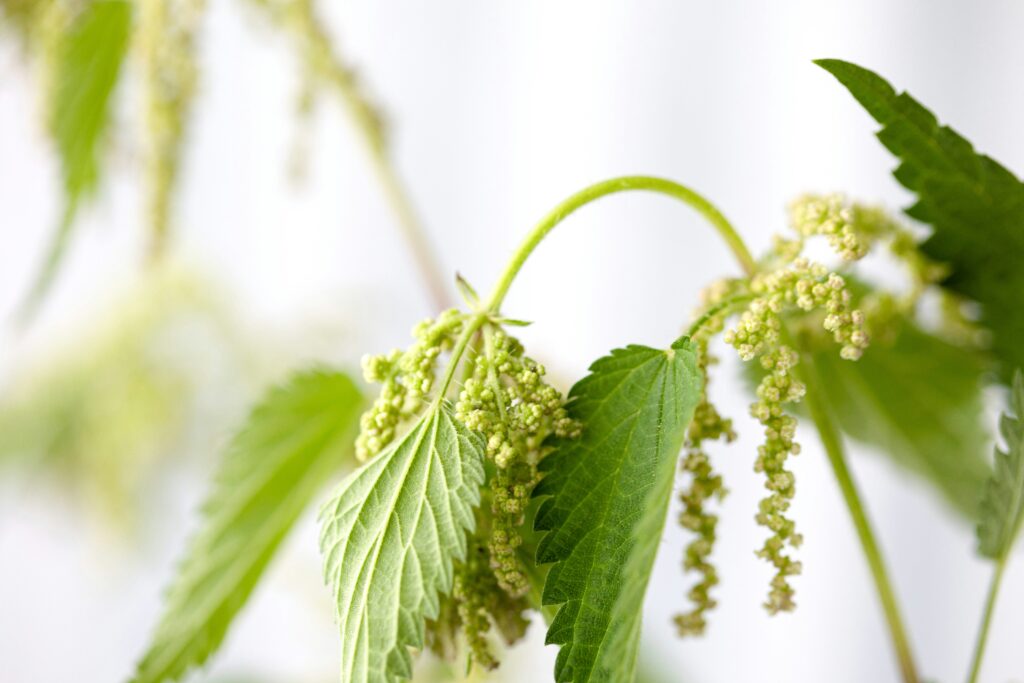
Watch Where You Sit
Watching where you sit is an easy but important habit to build when hiking with kids. It’s common for children to plop down on the ground for a snack or break without thinking about what’s underneath them, but areas off the trail can be full of hidden plants like poison ivy, stinging nettles, or thorny brush.
Encourage kids to choose clear, open spots like rocks, logs, or designated rest areas instead of grassy or overgrown patches. You can turn it into a quick “safe spot check” game—look for bare ground, avoid clusters of leaves, and stay away from anything unfamiliar.
Carrying a small blanket or sitting pad is also a great option for added protection, especially on longer hikes. Building this simple awareness helps kids stay comfortable and safe, while also reinforcing mindful habits in the outdoors.
Wear Protective Clothing
Wearing protective clothing is one of the most important plant safety rules for kids to reduce their exposure to harmful plants while hiking. Long sleeves, long pants, and closed-toe shoes create a physical barrier between skin and plants like poison ivy, stinging nettles, and thorny brush.
Even on warmer days, lightweight and breathable fabrics can keep kids comfortable while still offering protection. This is especially helpful on overgrown trails or in areas where vegetation crowds the path, making accidental contact more likely.
Tucking pants into socks or wearing higher socks can help protect ankles and lower legs, which are common contact points for plants. Making protective clothing part of your standard hiking routine helps kids stay safe without needing constant reminders, allowing them to explore more freely and comfortably.
Plant Safety Rules For Kids: No Picking Or Collecting
Teaching kids not to pick or collect plants while hiking is an important part of both safety and environmental responsibility. Many plants can cause skin irritation or allergic reactions when touched, and it’s not always easy to tell which ones are harmful.
When kids pick leaves, flowers, or branches, they increase their chances of coming into contact with things like poison ivy or stinging nettles. Keeping hands off plants helps reduce that risk and reinforces a simple, easy-to-remember rule while out on the trail.
It’s also a great opportunity to introduce the idea of “leave no trace,” helping kids understand that plants play an important role in the ecosystem. Flowers provide food for pollinators, and plants help support wildlife and maintain healthy habitats. Instead of collecting, encourage kids to take photos, draw what they see, or create a nature journal. This allows them to stay curious and engaged while respecting the environment and staying safe during your hike.

Wash Your Hands After Hiking
Washing hands after a hike is an important step in preventing the spread of oils from poisonous plants like poison ivy, oak, and sumac. These plants contain an oily resin called urushiol, which can linger on the skin, clothing, shoes, and even gear long after you’ve left the trail.
Encouraging kids to wash their hands as soon as possible after hiking helps remove these oils before they have a chance to cause a reaction. Ideally, use soap and cool water, as this combination is most effective at breaking down and rinsing away the resin. If you’re still on the trail, baby wipes or a damp cloth can help until you have access to proper washing. Making this a routine habit adds an extra layer of protection and helps keep your entire family itch-free after your outdoor adventures.
Wash Your Gear After Hiking
Wiping down your hiking gear is an often-overlooked step that can help prevent lingering exposure to harmful plant oils. Plants like poison ivy, oak, and sumac leave behind urushiol, a sticky oil that can cling to surfaces long after your hike is over.
This oil can remain active on gear like backpacks, shoes, trekking poles, and even pet fur for days—or longer. If not cleaned, it can transfer to your hands later and cause a rash, even if you didn’t have a reaction on the trail.After each hike, take a few minutes to wipe down frequently handled items with a damp cloth or cleaning wipe.
Additional Plant Safety Rules For Adults
Familiarize Yourself With Local Plant Life
Familiarizing yourself with the types of plants common to the region you’re visiting is a key step in making sure you and your children are protected on the trails. Different areas of North America have different risks, from poison ivy in the Northeast to poison oak in the West or cactus in desert regions.
A quick check of park websites, visitor centers, or trail apps can give you valuable insight. Sharing this information with your kids before the hike helps them feel more prepared and aware, turning safety into part of the adventure rather than something to worry about.
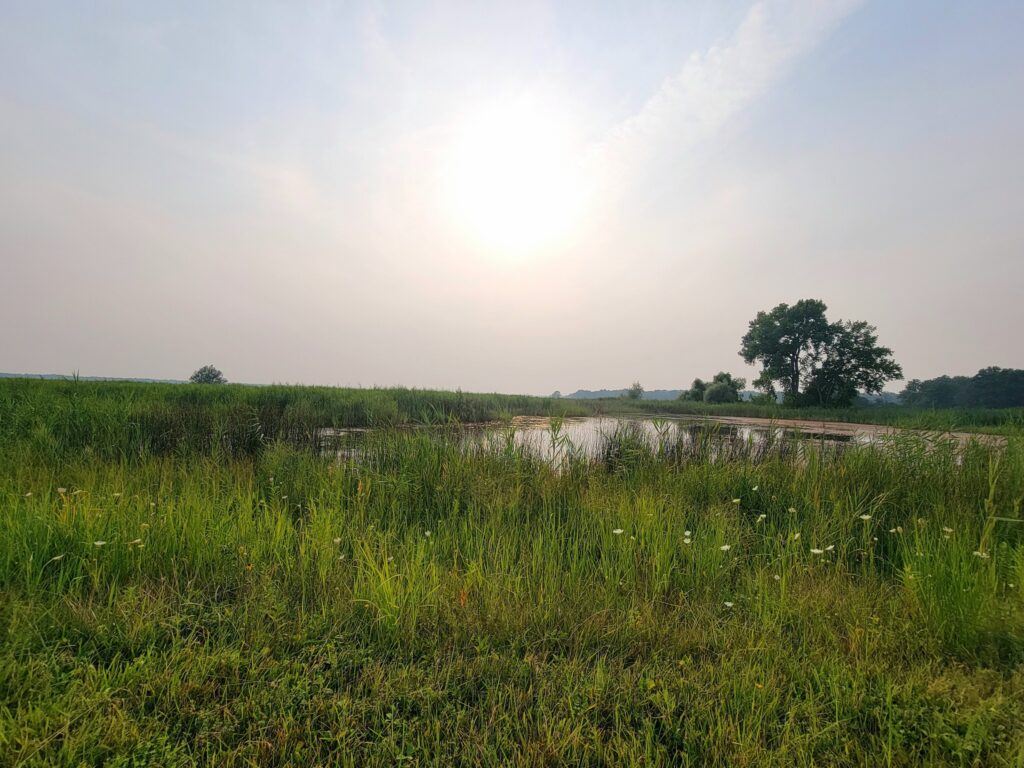
Use Barrier Creams Before Hiking
Before hiking, apply a barrier cream to yourself and your kids designed to prevent absorption of poisonous plant oils can add an extra layer of protection. While they’re not a substitute for wearing protective clothing or staying on the trail, they can be a helpful backup—particularly for exposed areas like hands, wrists, and ankles.
It’s important to remind kids that barrier creams don’t make them “immune,” so they should still avoid touching unknown plants. When used alongside other safety habits, barrier creams can help reduce the risk of irritation and give parents a little extra peace of mind.
Some good options include:
- Ivy-X Pre-Contact Skin Barrier Cream
- Ivy Block
- Workman’s Friend Barrier Skin Cream
Check Reports Before Travel
Checking trail reports before you hike is a simple step that can make a big difference in keeping kids safe. Many trails—especially in popular hiking areas—provide updates about current conditions, including overgrown sections, recent plant growth, or known hazards like poison ivy or stinging nettles. Knowing what to expect ahead of time allows you to plan appropriately, choose safer trails for your family, and prepare kids for what they might encounter along the way.
Create a Plant Safety Kit For Your Hikes
Creating a small plant safety kit for hiking is a simple way to be prepared for unexpected contact with irritating or poisonous plants. When you’re hiking with kids, having a few key items on hand can make a big difference in how quickly and effectively you can respond to things like stinging nettles or poison ivy exposure.
Things to include in your plant safety kit include:
- Wet wipes
- Small bottle of water for rinsing
- Hydrocortisone Cream
- Antihistamines
- Small cloth
- Adhesive tape
- Hand sanitizer
- Lightweight Gloves
Keeping everything in a small, labeled pouch in your backpack makes it easy to grab when needed. With just a little preparation, you can handle minor plant exposures quickly and keep your hike enjoyable for everyone.
What To Do If Exposure Occurs
***The information provided in this article is for educational and informational purposes only and is not intended as medical advice. While we strive to share accurate and helpful safety tips for hiking with kids, this content should not be used as a substitute for professional medical guidance, diagnosis, or treatment.***
What to do when exposure occurs depends entirely on the type of plant you have come into contact with.
If you or your child comes into contact with poison ivy, oak, or sumac, takes these steps:
- Wash the affected skin as soon as possible with soap and cool water. If you are on the trail and water is unavailable, use wipes to clean the area.
- If irritation begins to develop (can take hours to a couple days), apply anti-itch creams to the area (hydrocortisone cream or calamine cream). Applying a cool compress to the area can help soothe the pain/itching.
- Seek medical attention immediately for a severe rash or other symptoms such as difficulty breathing.
If you or your child comes into contact with stinging nettle/thorns:
- Remove yourself from the area. There are likely more stinging nettle plants nearby.
- Do not touch/rub the area. It can push the spicules further into the skin or cause them to break.
- Rinse the skin with clean water.
- Remove any remaining spicules using adhesive tape or a clean cloth.
- Soothe the area by applying a cool cloth or aloe vera gel.
- Treat itching by using hydrocortisone cream or an antihistamine.
- Seek medical attention is a severe rash or reaction occurs.
Frequently Asked Questions
How can kids tell if a plant is poisonous?
Most kids can’t reliably identify all poisonous plants, which is why simple rules—like “leaves of three, leave them be” and “look, don’t touch”—are so important. Teaching a few common plants is helpful, but avoiding unknown plants is the safest approach.
Are all wild berries dangerous for kids?
Not all wild berries are toxic, but many are—and they can look very similar to safe ones. Kids should never eat berries, leaves, or mushrooms found on the trail unless an expert confirms they are safe.
Can barrier creams really prevent poison ivy rashes?
Barrier creams can help reduce exposure by creating a protective layer on the skin, but they are not foolproof. They should be used along with other precautions like protective clothing and staying on marked trails.
Is it safe for kids to pick flowers or plants on the trail?
It’s best to avoid picking plants altogether. Some can cause skin irritation, and picking plants can harm the environment. Encourage kids to observe instead of touch.
How can I teach my child plant safety without scaring them?
Keep it simple and positive. Use easy rules, turn it into a game, and encourage curiosity from a safe distance. Framing it as being a “smart explorer” helps kids stay engaged and confident.
***The Navigating Mom (and this post) may contain affiliate links. If you purchase from one of these links, we may receive a small commission at no additional cost to you.****
Book Your Accommodations
Planning your next getaway? Let us help you get all the details in order! Start with your accommodations!
Book your traditional hotel accommodations using Booking! We love booking because of the wide variety of options, that can accommodate every budget and unique family needs!
Alternatively, consider booking a VRBO and having the entire place to yourself! VRBO is another great options for families because it gives you your own space and access to essential amenities like a full kitchen.
Book Your Flight!
Book your flight using one of our recommendation resources:
More Outdoor Safety Skills For Children:
- Starting a Campfire: 7 Steps For Families
- Outdoor Fire Safety Tips For Children
- Responding to Wildlife Encounters
- Alligator Encounters: 7 Must-Know Rules for Staying Safe in Gator Country
- Bear Encounters: Knowing How to Respond
- Bison Encounters: 6 Powerful Safety Tips to Protect You and Wildlife
- Elk Encounters and Trail Safety: Essential Rules You Can’t Ignore
